
free fall
-
Lever + Free Fall = Kinetic Energy
The creation (discovery?) of kinetic energy was a major step toward the creation of energy itself. It’s a pretty straight-forward concept: K.E. = ½ mv2 But how kinetic energy arrived wasn’t so straight-forward. The lever: weight x change in vertical height In their study of the lever, the Ancient Greeks identified the importance of the… Continue reading
-
How did Galileo measure time?

Galileo, perhaps more than any other single person, was responsible for the birth of modern science – Steven Hawking [1] Galileo was fascinated by motion and continually experimented with pendulums, cannons, and rolling balls to understand why bodies move the way they do. The arguable culmination of these efforts occurred in 1604 when he discovered… Continue reading
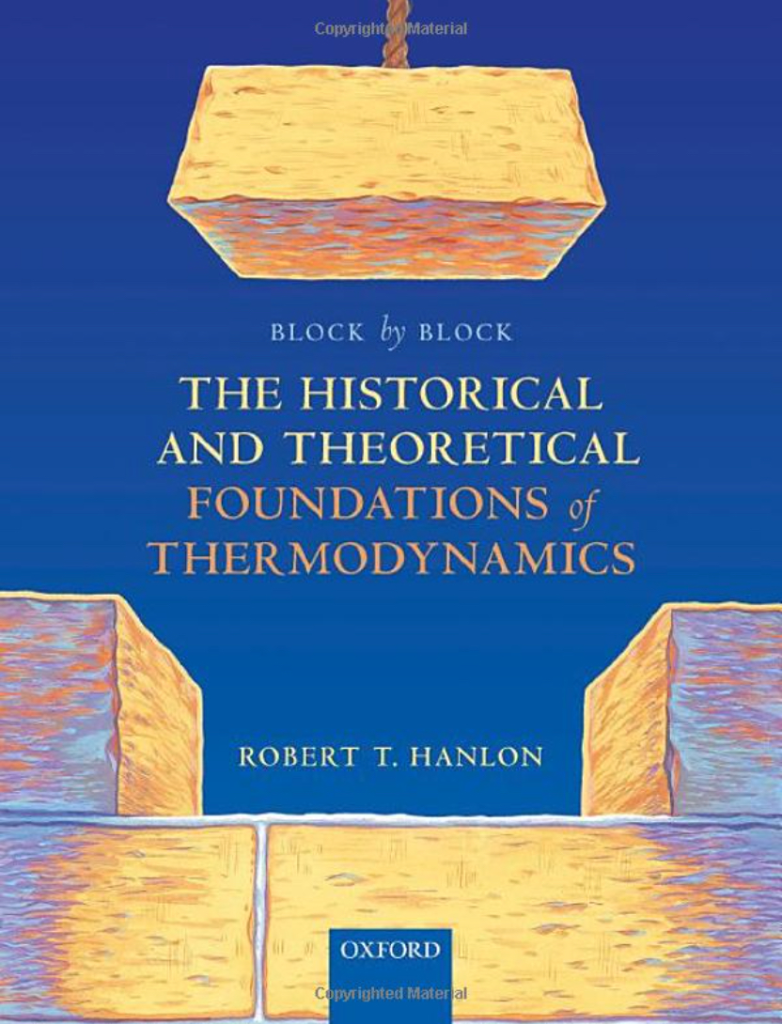
Block by Block – The Historical and Theoretical Foundations of Thermodynamics. “Hanlon has written a masterpiece.” – Mike Pauken, Senior Engineer, NASA’s Jet Propulsion Laboratory (JPL) and author of Thermodynamics for Dummies
SUBSCRIBE
About Me

Hi! I’m Bob Hanlon. After earning my Sc.D. in chemical engineering from the Massachusetts Institute of Technology and enjoying a long career in both industry and academia, I’ve returned to school, my own self-guided school, seeking to better understand the world of thermodynamics. Please join me on my journey.
You must be logged in to post a comment.